Reaching a World Cup quarter-final would satisfy most nations. For South Africa Women in 2025, it represented both progress and a prompt for reflection. In the women’s game, the country remains some way behind its global rivals in terms of depth and infrastructure. At school level, rugby for girls often plays second fiddle to hockey, while only a handful of major regional clubs boast fully established women’s and girls’ sections.
Traditionally, South African rugby—particularly in the men’s game—has been synonymous with power: dominance at the set piece, physicality at the breakdown, and an uncompromising edge. The women’s side has naturally mirrored that identity. Yet in a landscape where many coaches might double down on those strengths, the South Africa Rugby Union (SARU) has chosen to take a different route.
The turning point came during a testing two-match series between South Africa’s U18s and a touring Dutch outfit. Defeats of 29–12 and 26–0 exposed a gap—not just in execution, but in tactical awareness and tempo. The Dutch, coached by Mats Marcker of Le Plaisir Du Mouvement, played with a fluency and intensity that set them apart. For SARU coaches, it was a wake-up call. If South Africa were to become genuine contenders on the world stage, the foundations needed rethinking.
Enter LPM UK.
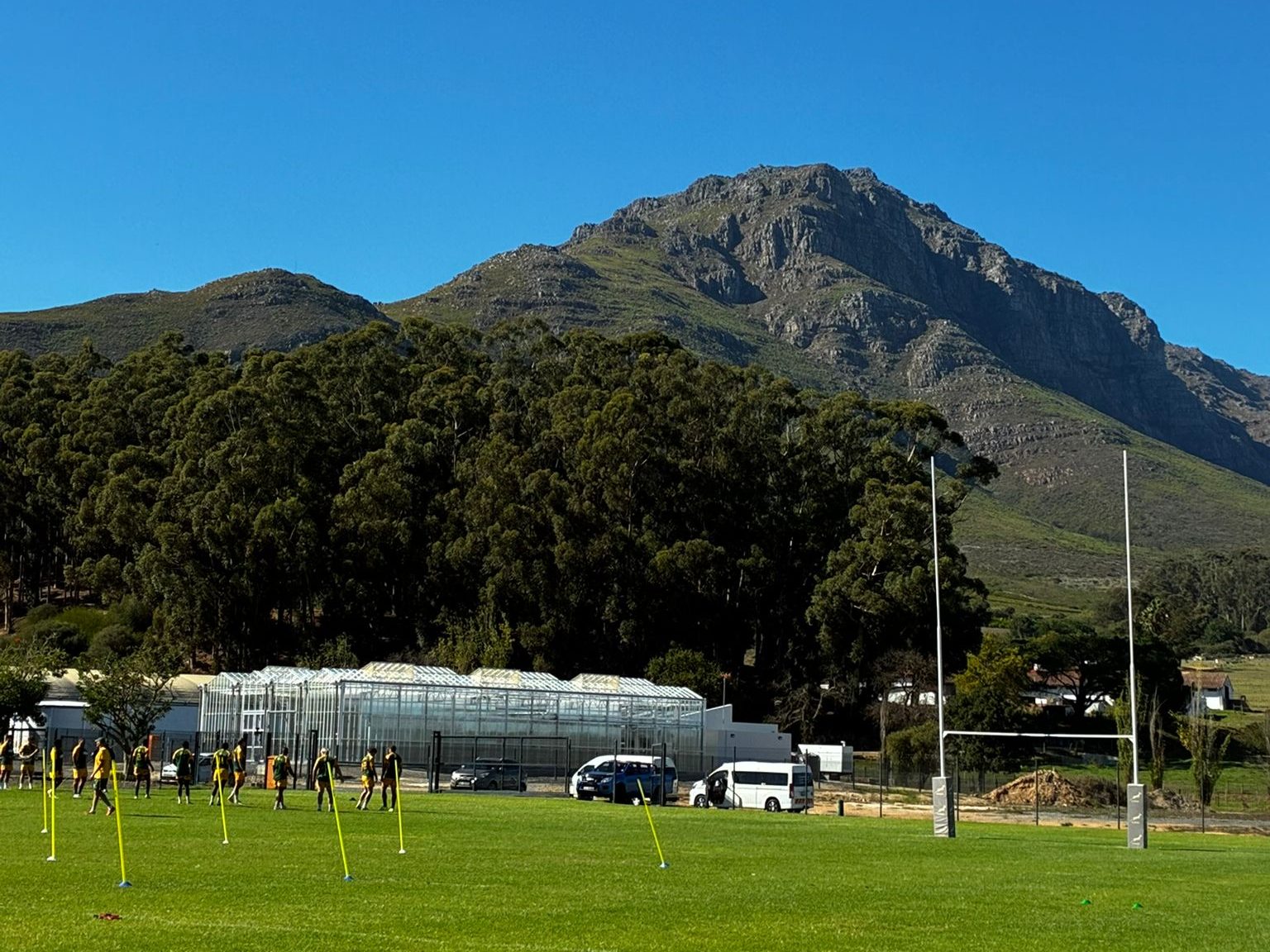
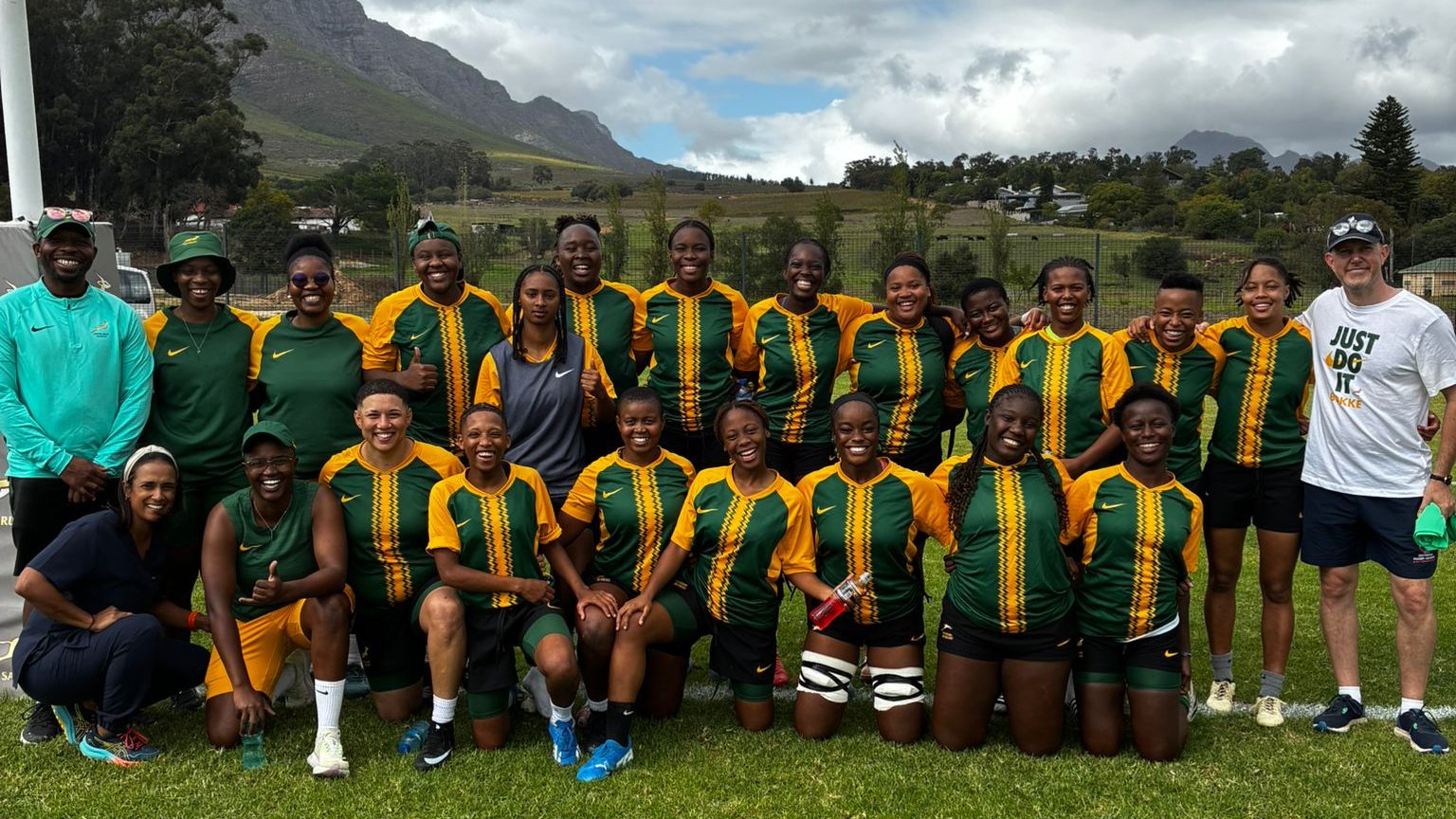
A meeting in Stellenbosch between Assistant Coach Bafana Nhelko and Tom Phillips—known widely as @Coach_Lips—sparked a collaboration that now looks set to reshape the trajectory of the women’s programme. LPM’s game-based coaching philosophy, rooted in the principles of Pierre Villepreux, aligned perfectly with SARU’s vision: develop thinkers, not just athletes.
Their coaches explained it with striking clarity:
“Creating a team is the same as building a house. You need strong foundations, walls and a roof—tactical understanding, decision-making, and cohesion. The set piece, ruck work and mauls are the furniture. Too many coaches try to furnish the house before it’s even built.”
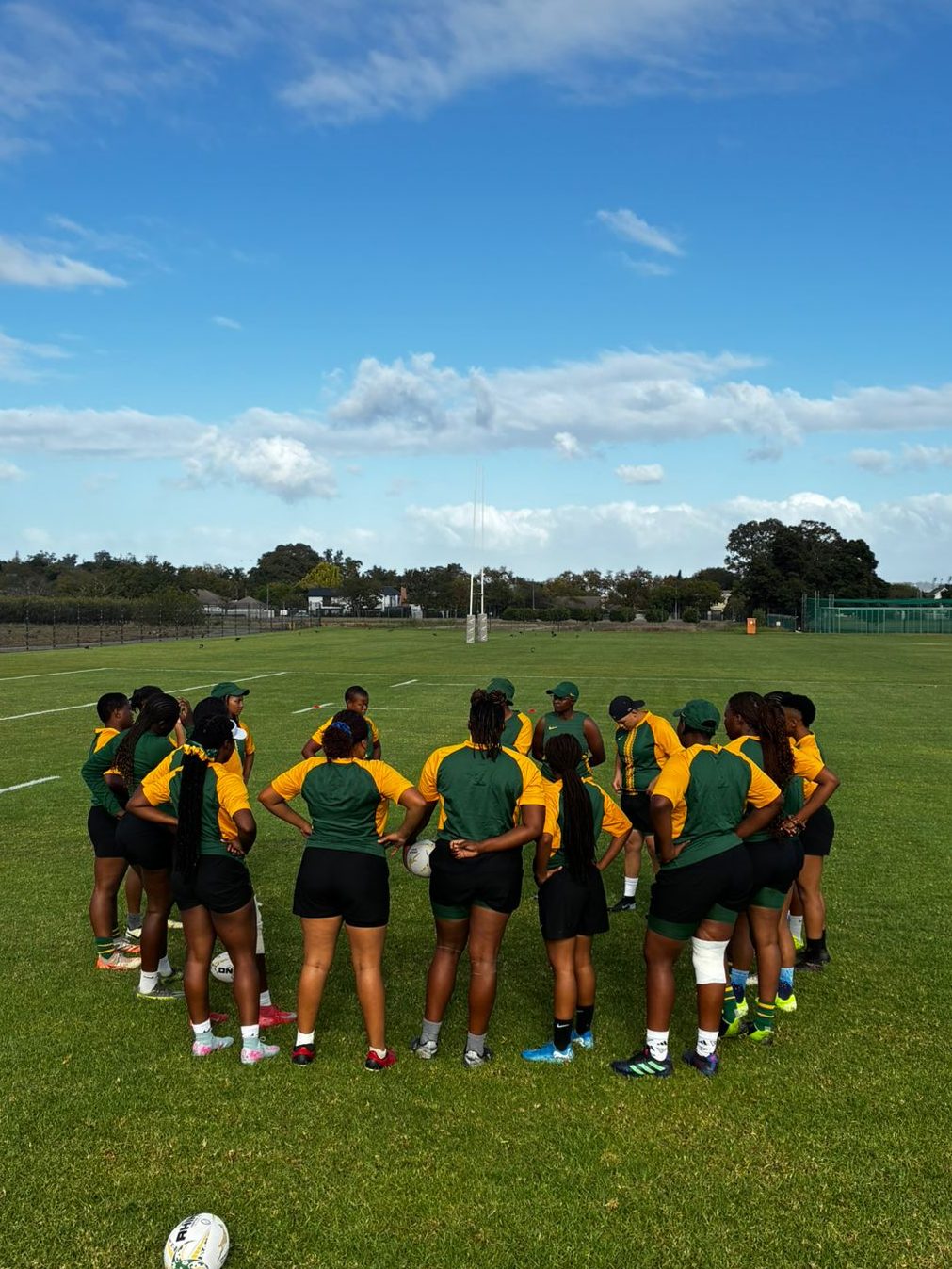
That philosophy sits at the heart of their new Under 20 camp. It is more than just a standard assessment camp, it’s a fully integrated system. SARU has assembled a multidisciplinary team of coaches, strength and conditioning experts, dieticians and physiotherapists, all geared towards fostering not just performance, but professionalism.
Crucially, the programme also addresses the human side of elite sport. Former Springbok Women captain and most-capped player Nolusindiso “Cindy” Booi has stepped in as a mentor, offering guidance shaped by experience at the highest level. Her presence brings both authority and empathy—qualities essential for navigating the pressures of modern rugby.
On the pitch, the impact has been immediate. Within just a handful of sessions, players have begun to embrace a more expressive, fluid style. Decision-making has sharpened, attacking intent has grown, and the ball is being kept alive with greater confidence and purpose.
Phillips himself has been struck by the transformation.
“You expect South African teams to dominate contact—that’s a given. But the creativity and tactical awareness these young players are showing has been exceptional.”
It remains early days, and the true test will come in future tournaments. But if early indicators are anything to go by, South Africa’s women are laying the groundwork for something far more significant than a quarter-final finish.
This is no quick fix. It’s a rebuild—methodical, ambitious, and rooted in principle. And if this blueprint holds firm, the Springbok Women may soon be known for far more than just their physical edge.